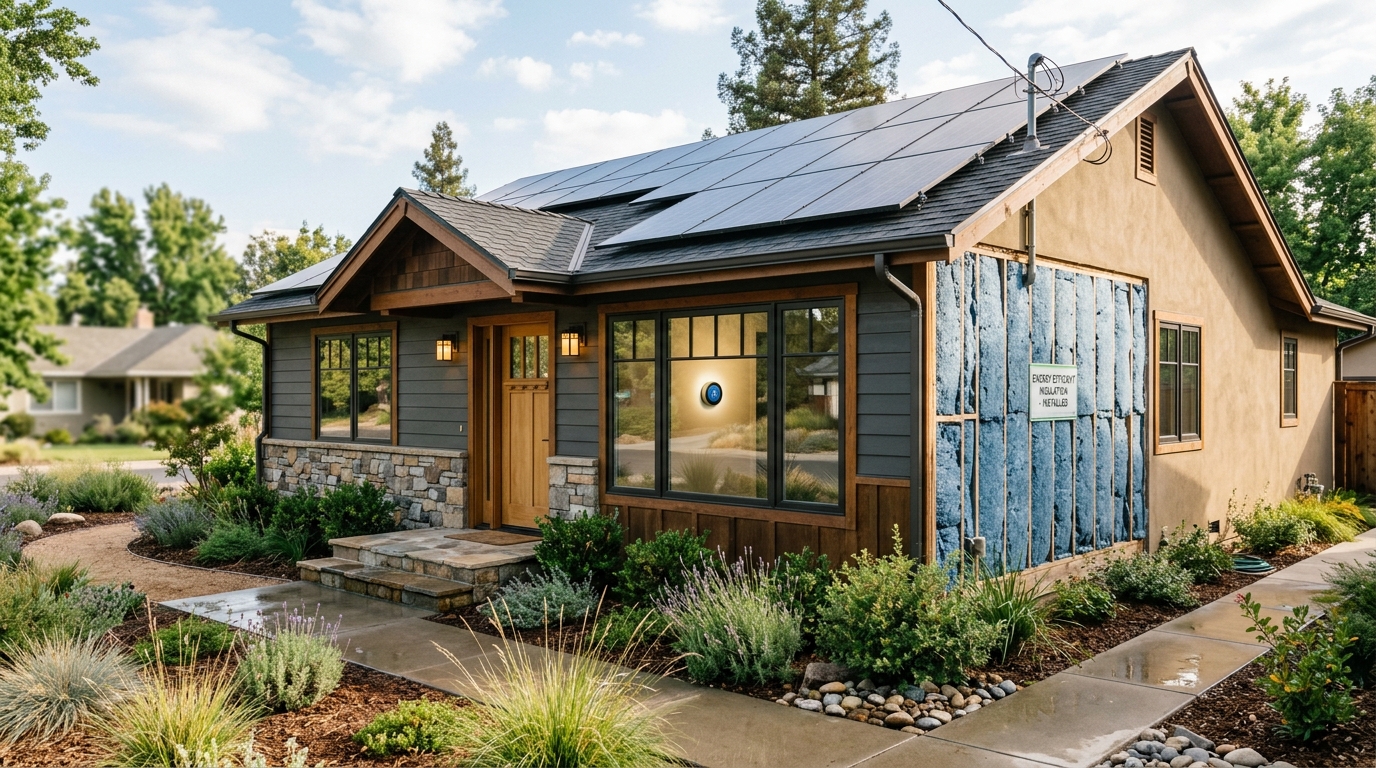
Energy costs in Missouri have been climbing steadily, and if your home is more than 15-20 years old, there's a good chance you're losing money through outdated insulation, old windows, and inefficient systems. The good news? A lot of energy-efficient upgrades pay for themselves faster than you'd think — and some qualify for tax credits or utility rebates.
Here are the upgrades we recommend most to our clients in the Springfield and Rogersville area.
1. Insulation Upgrades
This is the single most impactful energy upgrade for most Missouri homes, and it's not glamorous at all. We open up walls or blow insulation into attics during remodels and find insulation that's either deteriorated, settled, or was inadequate from day one.
Attic insulation should be R-49 to R-60 in our climate zone. Most older homes have R-19 or less. Upgrading your attic insulation alone can cut heating and cooling costs by 15-25%. We typically use blown-in cellulose or fiberglass, and it's one of the fastest payback periods of any home improvement.
2. Window Replacement
Old single-pane windows are basically holes in your wall as far as energy efficiency goes. Even older double-pane windows with failed seals (you'll see fog between the panes) are working against you.
Modern double or triple-pane windows with Low-E coatings and argon gas fill make a dramatic difference in both comfort and energy bills. We install windows during remodels and new construction all the time, and homeowners consistently tell us their home feels completely different afterward — fewer drafts, less noise, and lower utility bills.
Pro tip: you don't have to replace every window at once. Start with the ones on the south and west sides of your house — they take the most solar heat gain in summer.
3. Smart Thermostat
This is the easiest win on the list. A smart thermostat like an Ecobee or Nest costs $150-$250 and typically saves 10-15% on heating and cooling annually. In our climate where you're running the HVAC hard for 6+ months a year, that adds up fast.
We install these during every remodel unless the client specifically doesn't want one. The ability to program schedules, adjust from your phone, and get energy reports is genuinely useful.
4. LED Lighting Throughout
If you still have incandescent or even CFL bulbs, switching to LED is a no-brainer. LEDs use 75% less energy and last 25 times longer. During remodels, we install all LED fixtures and recessed lighting as standard.
Beyond just swapping bulbs, consider upgrading your lighting layout. Properly placed recessed lighting, under-cabinet lights, and dimmer switches let you use only the light you need. It's better for your space AND your electric bill.
5. Exterior Door Upgrades
A drafty front door or a poorly sealed sliding door to the patio is a bigger energy loss than most people realize. Modern fiberglass or insulated steel doors with proper weatherstripping make a noticeable difference.
We mentioned this on our podcast recently — one client told us their living room was always cold in winter. We replaced their 20-year-old sliding patio door with a modern insulated unit and the problem was solved immediately. Sometimes the fix really is that simple.
6. Proper Ventilation and Air Sealing
This is the unsexy companion to insulation. You can have great insulation but if air is leaking through gaps around pipes, wires, recessed lights, outlets, and attic access points, you're still losing conditioned air.
During any remodel where we open up walls or ceilings, we take the opportunity to seal these gaps with spray foam and proper caulking. It's a small additional cost during construction but would be expensive to do as a standalone project.
Bathroom and kitchen exhaust fans also matter — properly vented fans remove moisture that can damage your home and force your HVAC to work harder.
7. Tankless Water Heater
Traditional tank water heaters keep 40-80 gallons of water hot 24/7, whether you need it or not. A tankless (on-demand) water heater only heats water when you turn on the tap. They're 24-34% more energy efficient for typical household use and they last about twice as long.
The upfront cost is higher — typically $2,500-$4,500 installed versus $1,000-$2,000 for a tank unit — but the energy savings and longer lifespan make them a smart long-term investment. We install these regularly during bathroom and kitchen remodels.
Tax Credits and Rebates
Many of these upgrades qualify for federal energy tax credits under the Inflation Reduction Act. Insulation, windows, doors, and heat pumps all have available credits. Check with your tax professional for the latest details, and also check with your utility company — many Missouri utilities offer rebates for efficiency upgrades.
Start With an Assessment
Not sure where your home is losing the most energy? We can help. When we come out for a remodel consultation, we always look at the big picture — including energy efficiency opportunities that make sense to address while we're already working on your home.
The best time to add insulation is when the walls are already open. The best time to upgrade windows is when you're already updating a room. Combining energy upgrades with remodeling work saves money and disruption.
Call us at (417) 319-9004 or contact us through the website. Let's make your home more comfortable and your utility bills less painful.